Chef Careers | Why a Hospitality Chef Moved into Care
Alexandra Mill
16 June 2026
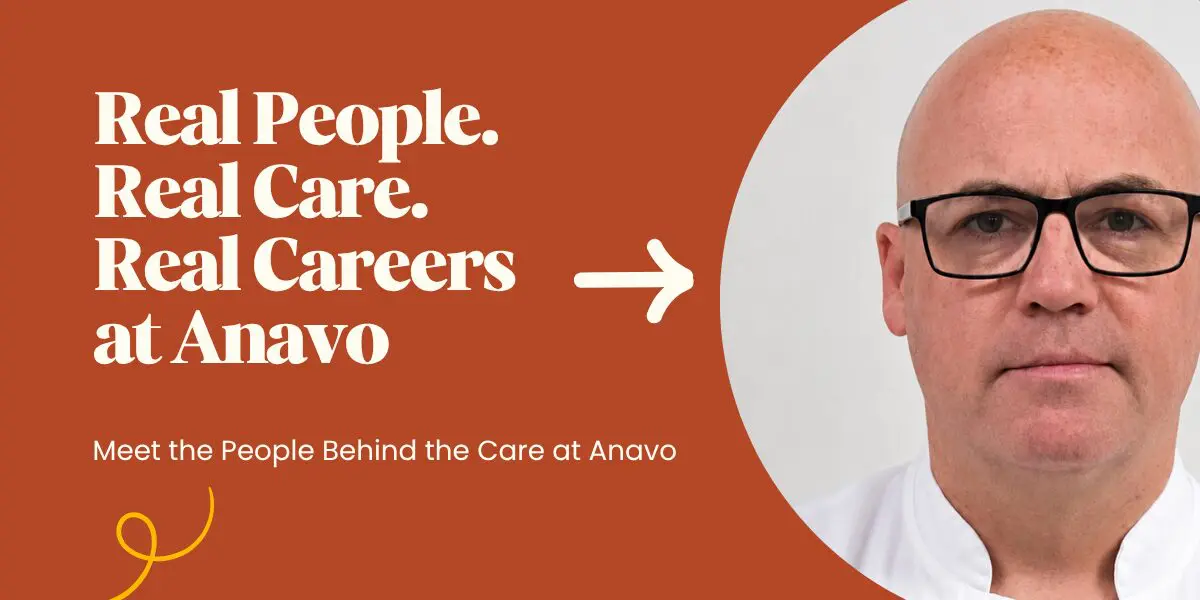
After spending years working in restaurants and hotels, Paul never imagined that a role in a care home would become the most rewarding chapter of his career.
Like many chefs, he built his career in fast paced hospitality environments, learning from experienced chefs, working long hours, and constantly developing his craft. But after becoming a parent and looking for a better work life balance, Paul found himself considering a completely different path.
Now Head Chef at Alexandra Mill, part of Anavo, Paul combines his passion for fresh, homemade food with something he never experienced in restaurants: building meaningful relationships with the people he cooks for every day.
We sat down with Paul to talk about his career journey, why he made the move into care, and how food can help create moments of joy, comfort and connection for residents.
Did you always want to be a chef?
When I was younger, I originally wanted to join the Army. My dad and stepdad were both in the Army, so it felt like the path I was expected to take.
At the same time, I always enjoyed cooking. My nan was a head baker, and food was a huge part of our family life. We’d all gather at her house and share meals together, and looking back, that’s probably where my love of food really started.
It wasn’t until about a year before my GCSEs that I realised cooking was what I genuinely wanted to do.Once I made that decision, I never looked back.
How did your career develop after that?
I went to catering college and completed a three-year course, alongside qualifications in pastry, patisserie and food hygiene.
After qualifying, I spent most of my career working in restaurants, with a few hotel roles mixed in along the way. One of the first chefs I worked for gave me some advice that stuck with me throughout my career. He said, “If you’re not learning anymore, it’s time to move on.”
That encouraged me to work in a variety of kitchens, learn different techniques, and gain experience from lots of different chefs and teams. The hospitality industry taught me a huge amount and helped shape the chef I am today.
What led you to consider a career in care?
Honestly, it wasn’t something I had ever considered. At the time, I was working in a restaurant that was being put up for sale, and I knew I needed to start looking for something new.
My son was also very young, so I was looking for a role that offered a bit more stability and family time. I came across a Head Chef position in a care home and decided to apply.
Like many people, I had assumptions about care home food and wasn’t entirely sure what to expect. I’d always worked with fresh ingredients and high standards, so I was curious to see whether that would be the same.
After my first week, I knew I’d found something special. I remember going home and telling my wife, “This is me. This is where I belong.”
What surprised you most about working in care?
The people. In restaurants, you’re often hidden away in the kitchen. You prepare food, it gets served, and occasionally you’ll hear that someone enjoyed their meal.
In a care home, it’s completely different. You get to know the residents personally. You sit down with them, chat over a cup of tea, learn about their lives, and understand what food means to them.
You become part of their lives and that connection is what makes the role so rewarding.
Food is clearly about more than nutrition for you?
Food is incredibly powerful because it creates memories. I always compare it to music. You can hear a song and instantly be transported back to a particular moment in your life. Food does exactly the same thing.
Certain flavours can remind people of childhood holidays, family celebrations, favourite meals, or special moments with loved ones.
That’s why I spend time talking to residents about the foods they enjoy, and the memories attached to them.
One resident loves chicken sweet and sour because it’s something she used to have every Friday. Another resident might mention a particular flavour that reminds them of home. Those conversations help shape our menus. Our menus aren’t just created for residents; they’re created with residents.
Why is nutrition such an important part of your role?
Nutrition plays a huge role in supporting residents’ overall wellbeing.
Good food isn’t just about enjoyment. It’s about providing the energy, nutrients and hydration people need to stay healthy, active and engaged.
One area I’m particularly passionate about is texture-modified meals. A lot of people hear words like puree or minced diets and assume the food can’t be appealing. I completely disagree.
We all eat with our eyes first. If we can create a meal that looks beautiful, tastes exactly as it should, and meets a resident’s dietary needs, that can have a huge impact on their experience. It’s challenging, but it’s one of the most rewarding parts of the job.
How does working in care compare to working in hospitality?
The biggest difference is the work-life balance. In restaurants, I regularly worked six or seven days a week, often with very long shifts.
When I first moved into care, I actually struggled with finishing work at a reasonable time because I wasn’t used to it. Now I get to go home, sit down for dinner with my wife and children, and be present for family life. That’s something I never take for granted.
At the same time, I still get to do what I love every day, so it really feels like the best of both worlds.
What has your experience been like working at Anavo?
I’ve loved every minute of it. What stands out most is the culture. Everyone is approachable and genuinely wants to help. Whether it’s my General Manager, Regional Manager or members of the senior leadership team, I know I can pick up the phone and have a conversation.
You feel listened to and supported. It feels much more like a family, and that makes a huge difference.
What advice would you give to chefs thinking about moving into care?
Keep an open mind. A lot of chefs don’t realise how much skill, creativity and knowledge goes into care home catering.
Learning about nutrition is incredibly important, especially when supporting residents with specialist dietary requirements.
Most importantly, remember that you’re not working in a restaurant. You’re working in somebody’s home and once you understand that, your whole perspective changes.
You’re not simply preparing meals. You’re helping people enjoy life, create memories, maintain their health, and feel cared for. For me, that’s what makes this the most rewarding role I’ve ever had.
Thinking About a Career in Care?
Whether you’re looking for a better work life balance, a more rewarding role, or the opportunity to make a genuine difference every day, a career in care could be the perfect next step.
At Anavo, our catering teams play an essential role in supporting residents’ wellbeing, creating memorable dining experiences, and helping people feel at home.
Click here to explore opportunities on our careers page and discover where a career in care could take you.
Popular posts
Career Stories
Meet the Resident Experience Manager at Homewell Spring
13 October 2026
Newark
Newark Care Home fulfils residents dream of an aboard holiday
08 October 2026
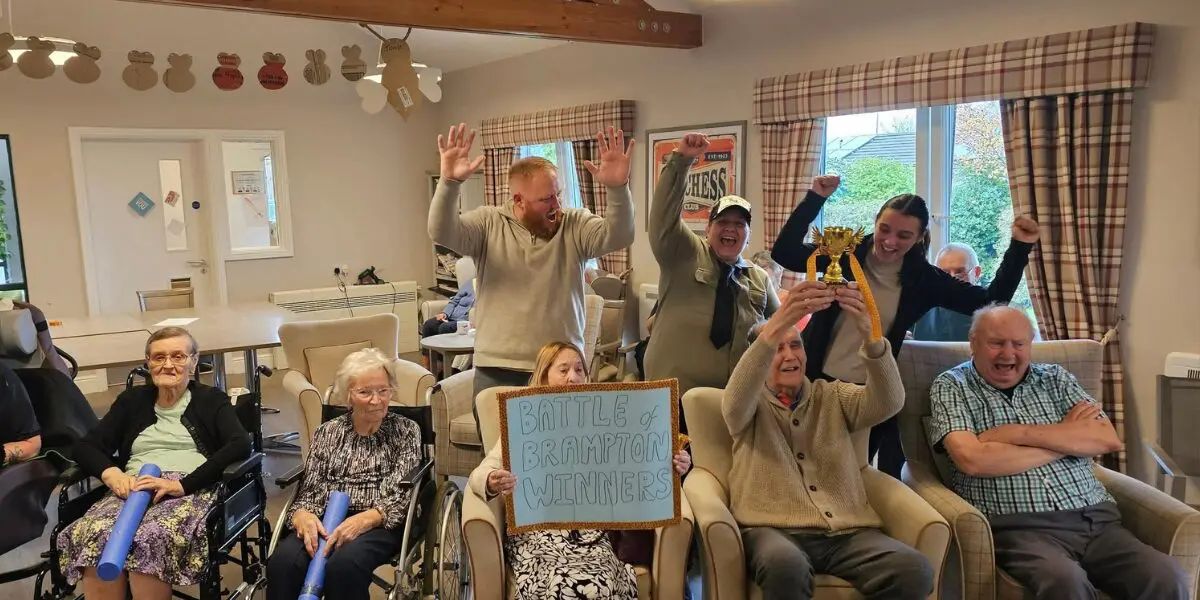
Brampton Lodge
Battle of Brampton: A Week of Community Spirit
06 October 2026
Take a breather
Caring for those you love can be tough. But you need to be kind to yourself, too.
 Start an Enquiry