From Construction to Care: Chris Stone’s Career Journey
Career Stories
30 June 2026
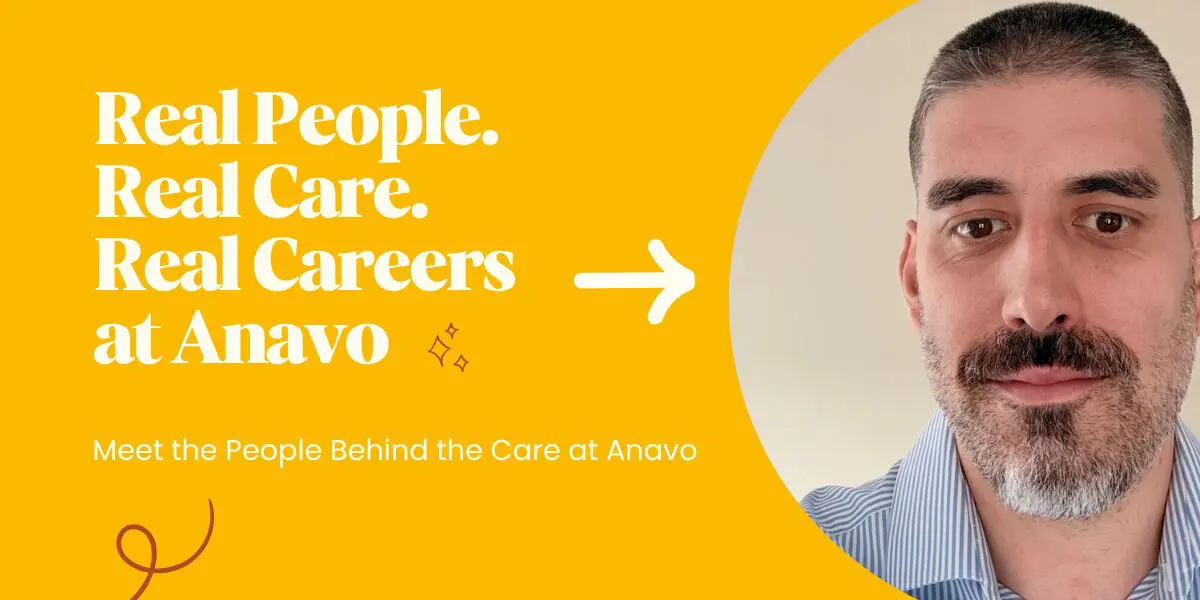
Not everyone follows a straight path into their career, and Chris is no exception. From working weekends at a garden centre while still at school to leading the development of premium care homes across the UK, his journey has been shaped by determination, continuous learning and a passion for creating spaces that make a real difference to people’s lives.
Having built a career across construction, commercial development, quantity surveying and project management, after many years working in other key sectors Chris found his place in the care sector, where every project truly makes an impact. Today, as Development Director at Anavo, he’s helping shape the future of care by creating innovative environments where residents can thrive and colleagues can deliver exceptional care.
We sat down with Chris to discuss his career journey, the lessons he’s learned along the way, and what excites him most about developing the next generation of care homes.
You didn’t always know what you wanted to do. How did your career journey begin?
Like most people leaving school, I didn’t really have a clear plan. What I did know was that I wanted to work. I’d always had jobs growing up, working weekends and holidays at a garden centre, and I enjoyed being busy.
I initially found myself working in landscape design and construction, and that’s really where everything started. I’ve worked within construction in some form ever since.
Over time, I realised I enjoyed the management and consultancy side of projects. I looked at my strengths and weaknesses, and everything pointed towards a role that combined organisation, problem-solving and working with numbers. That’s what led me towards quantity surveying and project management.
You took a slightly different route into higher education. What was that experience like?
I went to university later than most people. By that point, I was already working and had a young family. In fact, my eldest child had already been born when I started my degree.
I was effectively working full time while studying full time and raising a family. Once I completed my degree, I went straight into a master’s degree and then worked towards becoming chartered (MRICS).
Looking back now, I honestly don’t know how I managed it all. At the time though, you just get on with it. It was evenings, weekends and every spare moment dedicated to studying and professional development. It was challenging, but worth it.
What kept you motivated during that time?
I always had a goal in mind. At that stage in my career, becoming chartered was something I really wanted to achieve. It represented progression and recognition within the industry, and I knew it would open doors for me in the future. When you have that bigger goal in sight, the sacrifices feel worthwhile.
Your career has covered a range of sectors. What kind of projects have you worked on?
A bit of everything, really. Most people assume I’ve always worked in housing or care, but I started out working on commercial developments. I worked on office buildings (Cat A), large scale fit outs (Cat B), education projects, heritage and historic projects and a range of other developments.
The interesting thing is that the core skills remain largely the same regardless of the sector. Whether you’re building a school, an office or a care home, you’re managing people, budgets, programmes and risks.
What changes is the detail and understanding the specific needs of the people who will use that space.
What attracted you to the care sector specifically?
The impact. One of my first major care projects was an extra care development in Hull around 14 years ago. It was a significant project and a steep learning curve, but what stood out was seeing residents move into the finished homes.
Care is such a different sector as you can see the direct impact of what you’ve created. You’re providing people with a home, a community and somewhere they can feel safe and supported. That’s incredibly rewarding and it’s a big reason why I’ve stayed within the sector and continue to learn and develop my skills.
What made you join Anavo?
I’d worked alongside Anavo as a consultant for several years, supporting projects including Havant and Lancing, so I’d already experienced the way the business operates and have forged as strong relationship with the Partners.
What stood out was that Anavo genuinely looks for better ways of doing things. There’s a real willingness to challenge processes, embrace innovation and continuously improve. The senior leadership team is always looking at how we can enhance what we do rather than simply accepting the status quo and that mindset really appealed to me.
The other attraction was moving client side. As a consultant, you’re often juggling multiple clients and priorities. Joining Anavo gave me the opportunity to focus entirely on one organisation and help shape its future.
What excites you most about your role?
Taking an idea and turning it into a reality. A few months ago, I stood in an empty field looking at a potential site and discussing reviewing what we could create.
From that point onwards, you’re creating a vision. You must assess whether the site works, whether the numbers stack up, how to achievable planning, how to secure funding and the best way to successfully deliver the project.
Eventually, when everything comes together, that field becomes a care home filled with residents, colleagues and families. That’s what excites me. No two days are ever the same, and every project brings a new challenge to solve.
Innovation plays a big role in Anavo’s developments. What does that look like in practice?
We’re constantly asking ourselves how we can make our homes better. That includes sustainability initiatives such as all electric developments, solar panels, EV charging points and technologies that reduce water consumption.
But innovation isn’t just about buildings. It’s also about improving residents’ quality of life. One example is the hearing technology we’re trialling in our homes. For residents living with hearing loss, social situations can sometimes feel isolating. These systems help residents hear conversations more clearly and stay involved in activities and discussions.
We’re also exploring technologies that help monitor falls, improve safety and enhance residents’ comfort and independence. Ultimately, everything comes back to one question: how can we improve the experience for residents, families and colleagues?
Looking ahead, what are you most excited about?
Seeing how far Anavo can go. In five years’ time we’ll have opened more homes, delivered more developments and continued refining everything we do.
Every new home gives us an opportunity to learn and improve. The next home should always be better than the last. That’s what motivates me. We’re not just building buildings. We’re creating homes that will support people for years to come, and that’s something I’m incredibly proud to be part of.
Interested in helping shape the future of care?
At Anavo, we’re always looking for talented people who want to make a meaningful impact. Whether you’re delivering care, supporting residents or helping create the homes of the future, every role plays an important part in our journey.
Click here to explore our latest opportunities and discover where a career at Anavo could take you.
Popular posts
Career Stories
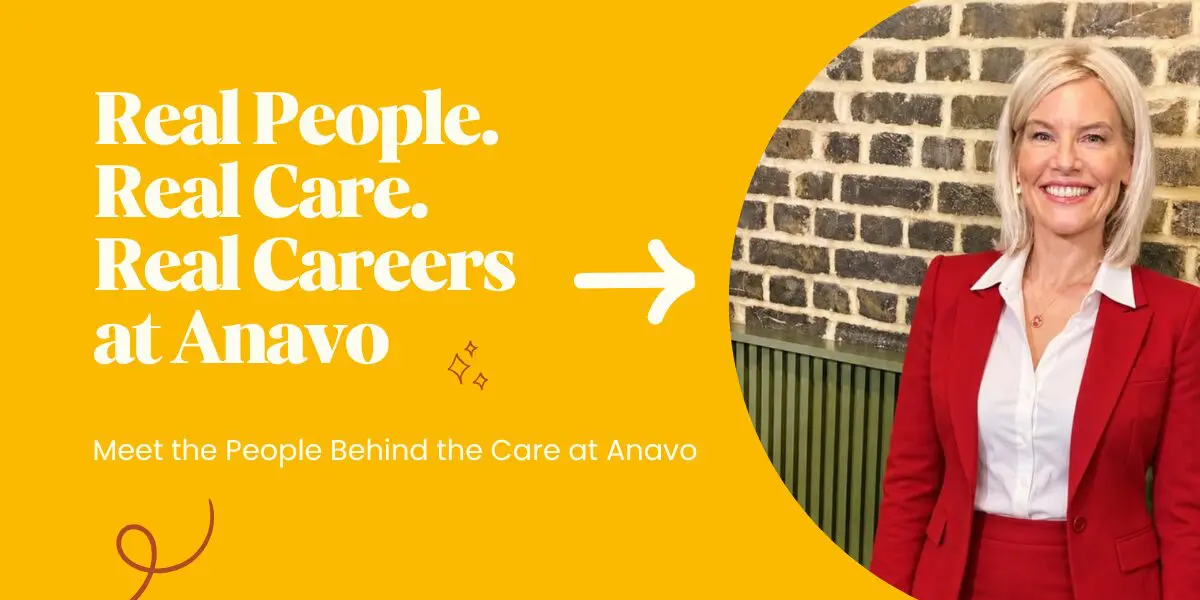
Meet the Resident Experience Manager at Homewell Spring
13 October 2026
Newark
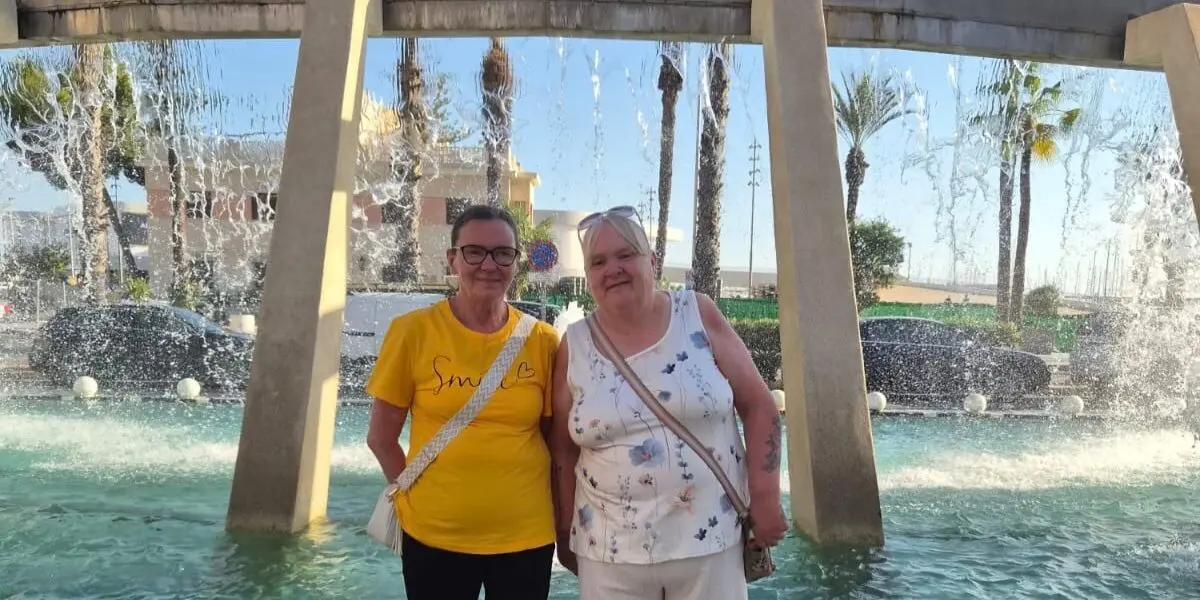
Newark Care Home fulfils residents dream of an aboard holiday
08 October 2026
Brampton Lodge
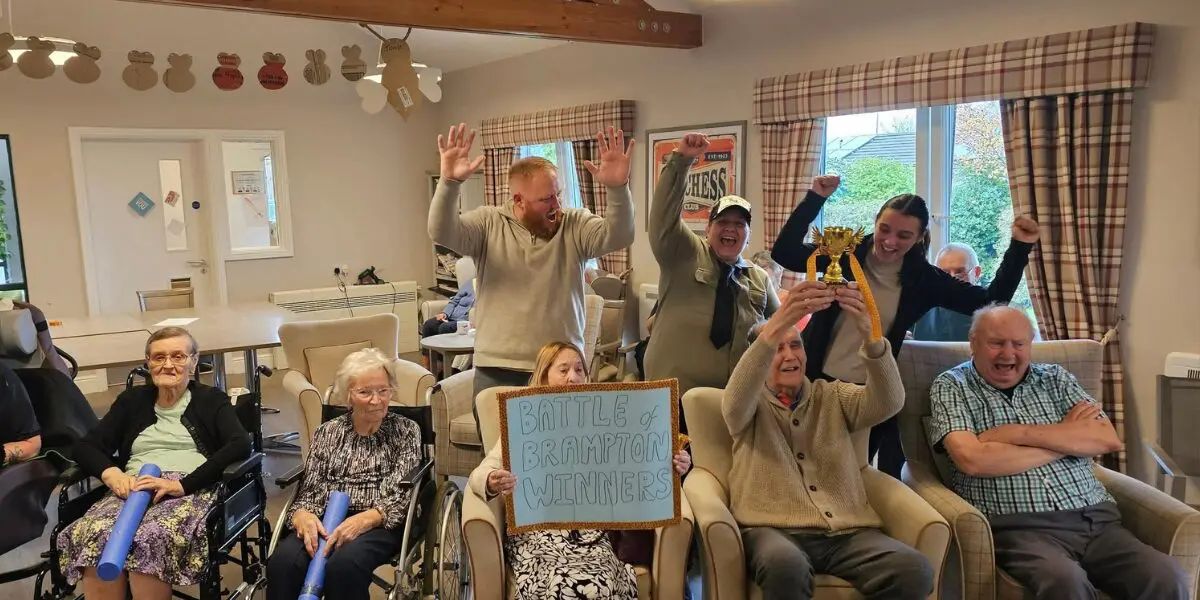
Battle of Brampton: A Week of Community Spirit
06 October 2026
Take a breather
Caring for those you love can be tough. But you need to be kind to yourself, too.
 Start an Enquiry