Exercise for All: Supporting Wellbeing in Care Homes Across the UK
Halisham
10 March 2026
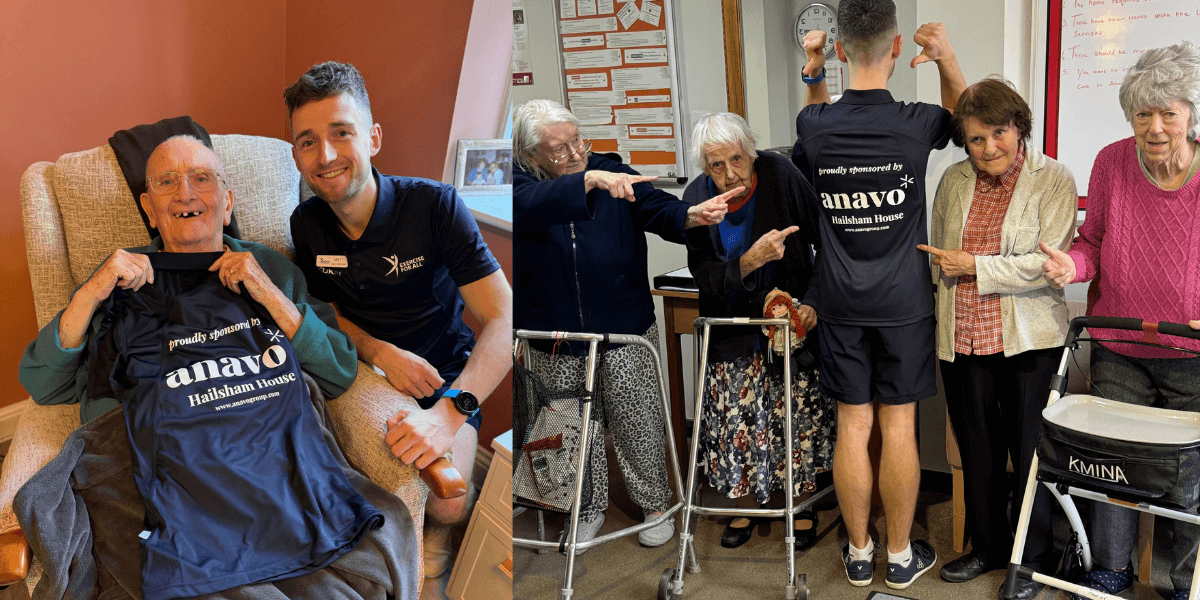
From launching a business just weeks before lockdown to now delivering up to 90 sessions a month in care homes, the founder of ‘Exercise for All’ Matt has built something rooted in one simple belief: movement should feel fun, personal and meaningful at every stage of life.
Working across more than 30 homes, including Anavo’s Hailsham House in East Sussex, ‘Exercise for All’ focuses on connection first and exercise second, helping residents feel seen, heard and engaged.
We sat down to talk to Matt about how it all began, why working with older adults became the focus, and how one hour of dedicated time can completely transform someone’s day.
Tell us more about how your journey into fitness industry began and why you decided to work with older adults.
It started at university when I had to complete a placement as part of my coaching module and went along to an open day with the YMCA.
I wasn’t particularly confident in my coaching ability at the time, but once I started working with older adults, something just clicked. It felt natural. I realised I was simply talking with people, building relationships and helping them move in ways that felt achievable.
What began as a 20-hour placement quickly turned into over 100 hours. I then became a lead coach, secured a graduate internship and continued working in the sector for several years.
I always thought I might become a PE teacher, but working with older people felt like a niche and I soon become extremely passionate about it.
What made you decide to start Exercise for All?
After a few years in the industry, I felt ready for a new challenge. I had built strong relationships with care homes and knew there was space to do things in my own way.
Exercise for All launched in February 2020, however, six weeks later, COVID hit.
I had around six weeks of “normal” business before care homes closed their doors. It was definitely a challenge. But I still wanted to make it work, so I created a weekly wellbeing newsletter and activity resource that homes could use internally. That helped sustain the business during that period.
It wasn’t until early 2022 that things properly returned to normal in care homes. Since then, we’ve grown steadily. We now work in over 30 homes and deliver up to 90 sessions each month with a small team of coaches.
What actually happens in a session?
Our bread and butter is a one-hour, chair-based group session. But it’s much more than exercise.
Our motto is “Movement Made Fun”. Sometimes we don’t even use the word exercise because it can put people off. We say we’re there to do activities.
Yes, residents are moving their bodies. Yes, there’s coordination and strength work happening. But it’s wrapped in games, interaction and laughter.
For us, the goal isn’t physical transformation. Most fitness roles focus on improving someone from A to B physically. Our A to B is engagement. If someone who didn’t want to join in ends up smiling, chatting and interacting with others, that’s success.
Around 80% of the residents, we work with are living with dementia or cognitive impairment. Movement becomes a vehicle for social connection. For many residents, we might be the only external visit they have that week. That interaction matters.
You also offer one-to-one support. Why is that so important?
The one-to-one sessions have huge potential. At Hailsham House, I spend a full day each week delivering individual sessions and can see eight to ten residents in that time. It might involve a gentle walk, completing a crossword, going for a coffee or simply sitting and talking.
Staff in care homes work incredibly hard, but a lot of the time they’re stretched. If I can give someone a full hour of focused attention, it makes an enormous difference.
Residents often say, “Thank you for coming to talk to me.” They’re surprised that someone has given them that time. That always stays with me.
Group sessions are vital, but one-to-one time allows you to truly understand the person in front of you. People feel seen and heard and that’s powerful.
Is there a personal connection to this work for you?
Yes, definitely, my grandad was in a nursing home around 10 to 15 years ago, and my nan is currently in one. I understand how important quality of life is at that stage.
When families place a loved one into care, they want to know that person will still have things to look forward to. They want them to feel valued and engaged.If we can help make the final chapter of someone’s life enriching and meaningful, then we’ve done our job.
What’s next for Exercise for All?
In the last 12 months, I’ve been quite relentless about growth because I genuinely believe this service is necessary.
Group sessions will always be the core of what we do. But the one-to-one offering has enormous scope, and I’m proud that homes like Hailsham House recognise the value of investing in wellbeing in a comprehensive way.
There are so many more homes that could benefit from this model.
What do you enjoy outside of work?
Running has become a big part of my life. I’ve been running seriously for several years and I’m currently training for my first marathon at the London Marathon.
I’m also part of a running club and have recently started incorporating more strength and conditioning work into my training. I also play golf, although I’m still trying to get better at that.
Movement has always been a big part of my life. But the most meaningful moments aren’t about finish times or distances. They’re often the quiet conversations in a resident’s room or a smile at the end of a session.
To learn more about the services provided at Exercise for all, please click here.
Popular posts
Alexandra Mill
A Dedicated Career in Care: Steph’s Story
23 March 2026
News
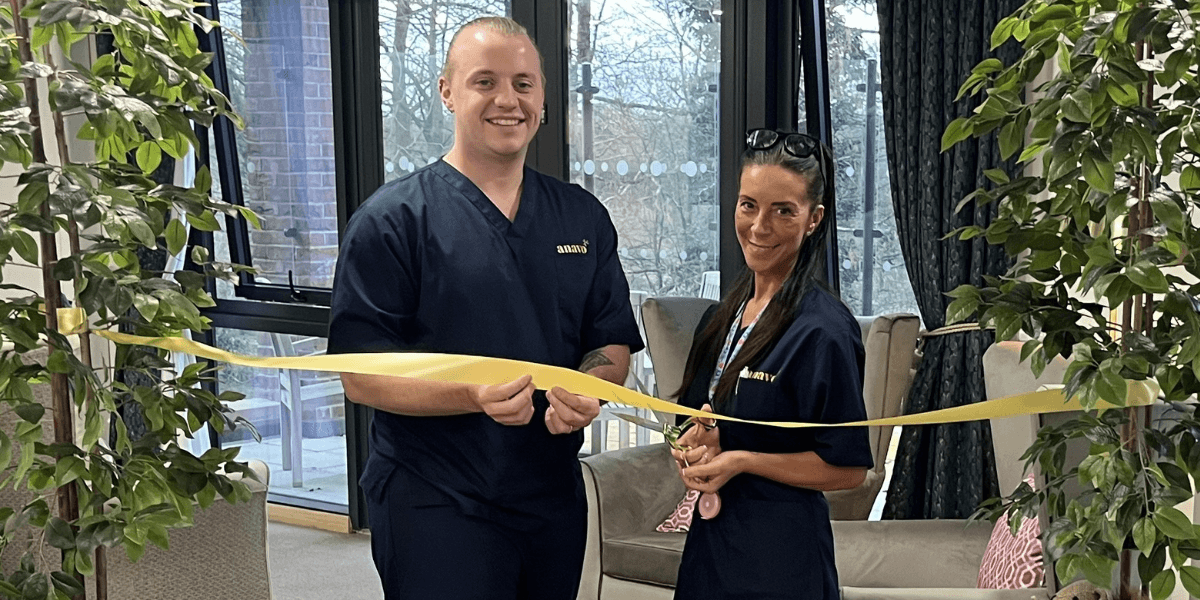
Press release: Sandstone Brook Care Home Celebrates Opening of Beeston First Floor
16 March 2026
Alexandra Mill
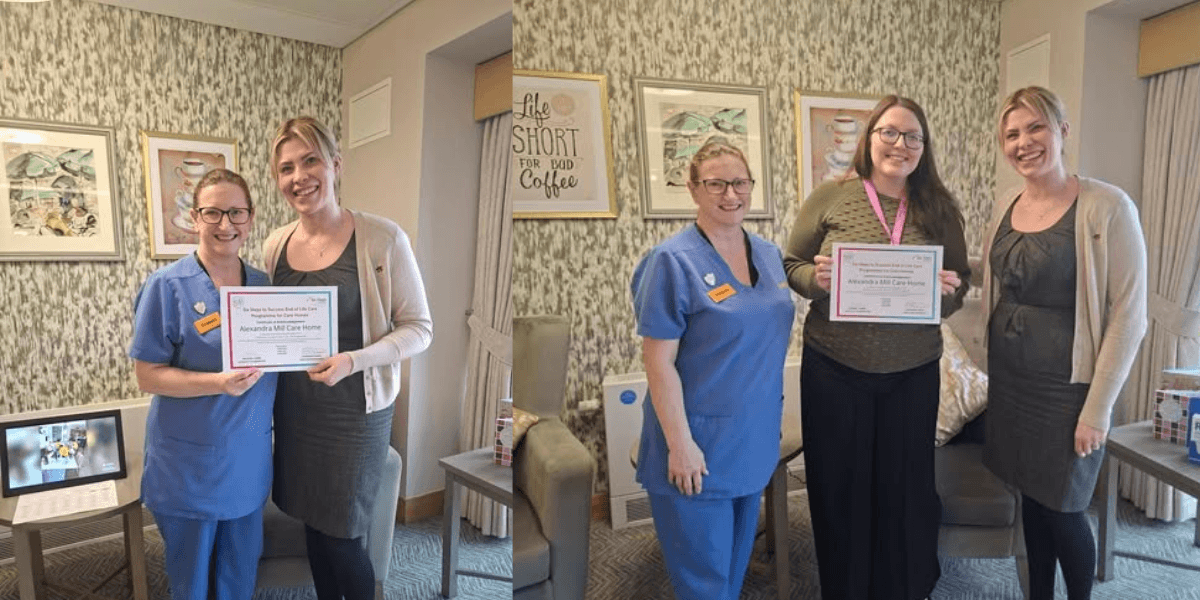
Alexandra Mill Successfully Renews Six Steps End of Life Accreditation
12 March 2026
Take a breather
Caring for those you love can be tough. But you need to be kind to yourself, too.
 Start an Enquiry